
Record Earnings, Falling Stock
Last week, many news outlets ran headlines like these about Samsung.
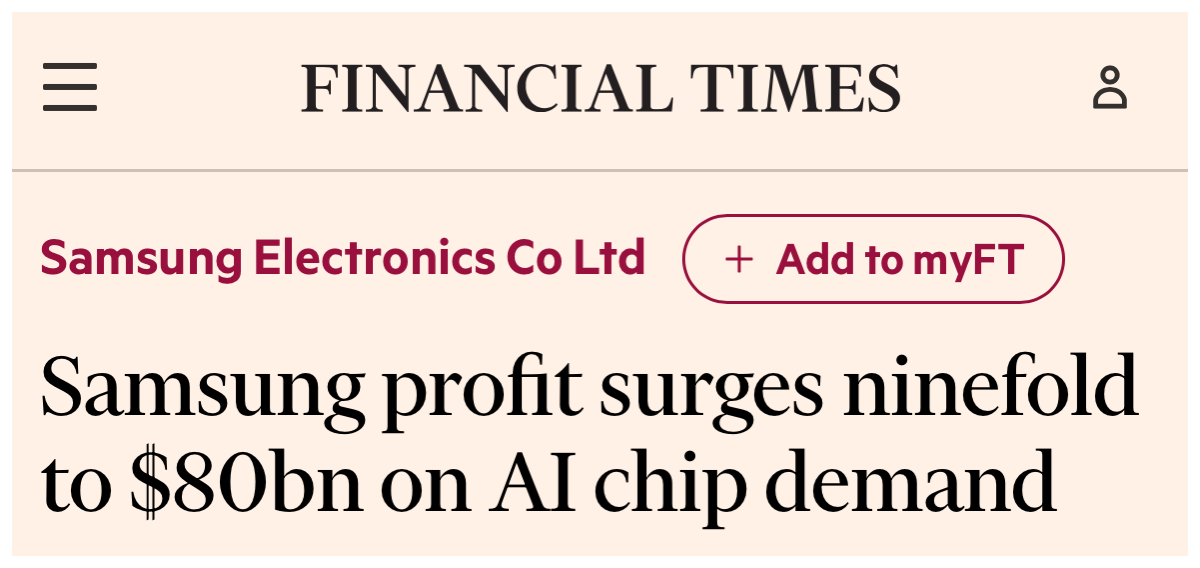
However, I couldn’t help but laugh when I saw that, despite a 90% increase in earnings and a record high, the announcement caused Samsung’s stock price to fall.
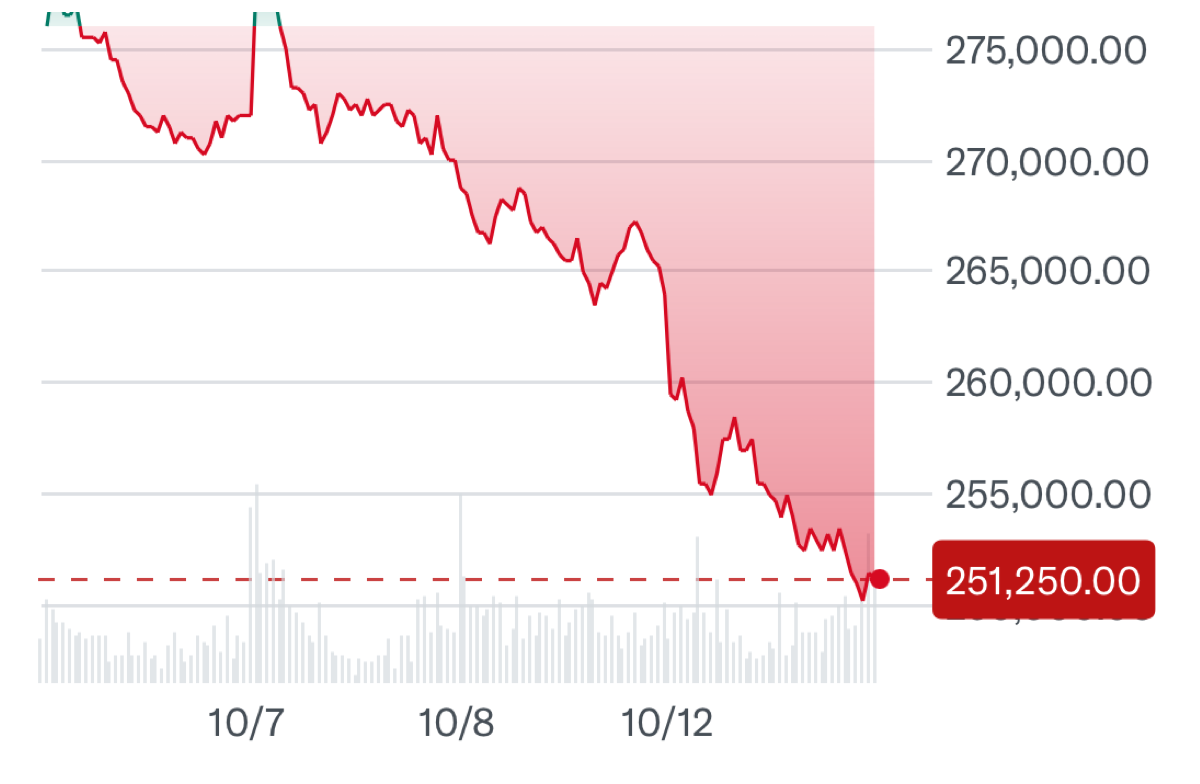
Of course, this is just the power of expectations. The stock price had nearly doubled since the start of the year, driven by expectations of continued growth. It fell only because it didn’t live up to the market’s lofty expectations.
I thought about that dynamic when reflecting on a summit I attended this week about AI in education. It was fascinating to see the wide variation in where schools and individual educators were on their adoption of AI. Some were dabbling and still contemplating whether the tools might be useful for their organizations, whereas others have dived in headfirst and are using AI in both staff applications and with students.
That pattern matches the variation I’ve observed among people in my organization and on my team, and I suspect most leaders do in theirs. Intellectually, I know I should be patient with people who adopt more slowly. Emotionally, it frustrates me, because I’m wired for forward motion. I expect everyone to keep improving their professional practice—to keep trying to get better all the time. In that world, the idea that someone knows there’s a new set of tools that could help them improve and doesn’t actively explore them is foreign to me.
It’s not really about AI. If someone was slow to adopt AI because they were swamped with other improvement initiatives they’re driving, that would be fine. But when the lack of AI adoption happens at the same time someone seems to accept the status quo or their current performance level, it’s a sign we’re not on the same page about what good looks like.
That’s why I find myself telling colleagues that merely meeting their existing performance goals is insufficient and almost boring. Even for purely selfish reasons, like standing out, they should proactively identify goals that tell an interesting story of progress. Words like increase, build, or launch should almost always be a part of their goals. It’s just like the stock market. Existing performance levels are baked into expectations—only exceeding them boosts valuation.
But I also realized that I’m not the best messenger for that idea. First, as the boss, I might be accidentally hindering their exploration of new ideas by adding too much to their plates or overly praising short-term wins and problems solved. In that case, it’s unrealistic to expect they’ll make time for future experimentation.
Moreover, it’s hard for an organization to mandate the belief in continual improvement. If an employer tried to tell people they need to do more and more, especially if they’re unprepared to provide compensation incentives, employees would rightly think, “I get that it’s good for you, but what’s in it for me?”
Instead, it probably has to be driven by culture. It’s one thing if your boss says to do better. It’s far more useful if your teammates’ reaction to seeing your pedestrian goals is, “Come on. Really?”